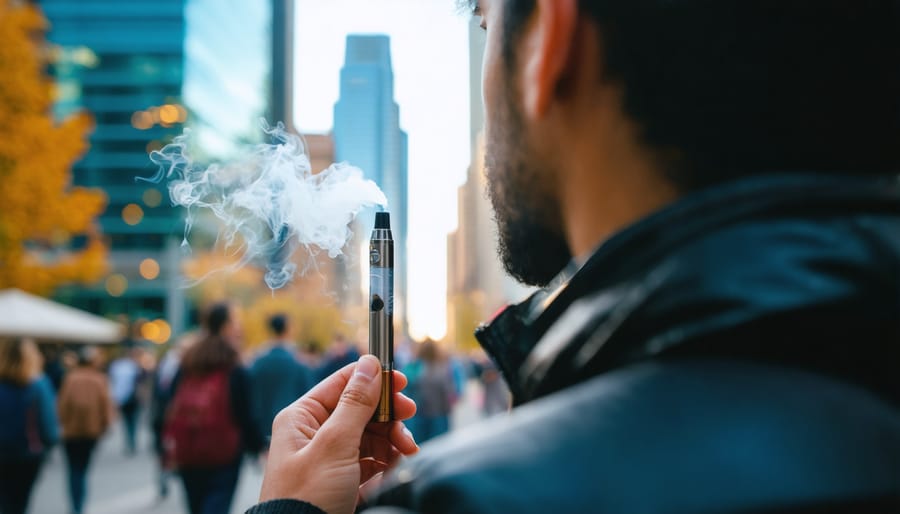
Canada’s cannabis landscape has transformed into something uniquely its own since legalization—a mosaic of cultural practices, communal rituals, and evolving social norms that mirror the nation’s multicultural identity. Within this vibrant tapestry, THCa vaping has emerged not merely as a consumption method, but as a cultural movement reshaping how Canadians from diverse backgrounds engage with cannabis. From Vancouver’s progressive dispensaries to Toronto’s multicultural neighbourhoods and Montreal’s artistic enclaves, THCa vape cartridges have become symbols of a new cannabis sophistication—discrete, potent, and increasingly woven into the fabric of Canadian social life.
This cultural phenomenon reflects Canada’s broader story: communities adapting global innovations through distinctly Canadian lenses. Indigenous wellness traditions intersect with contemporary cannabis culture. Immigrant communities bring medicinal perspectives from their homelands. Young professionals integrate THCa vaping into urban lifestyles previously dominated by alcohol. Artists and creatives explore its potential for inspiration. Healthcare advocates examine its therapeutic applications. Together, these diverse participants are crafting a uniquely Canadian THCa vape culture—one that celebrates individual choice while fostering collective understanding, emphasizes harm reduction over prohibition, and reflects the nation’s commitment to inclusivity, innovation, and social progress in navigating the post-legalization cannabis landscape.
Understanding THCa: The Cannabinoid Before the High
From Plant to Cartridge: The THCa Journey
The transformation of THCa from cannabis plant to sleek vape cartridge represents a fascinating marriage of traditional cultivation and cutting-edge technology. Canadian producers have pioneered extraction methods that preserve THCa’s delicate molecular structure, using cold-extraction techniques and precise temperature controls that honour the plant’s natural chemistry. Think of it as a careful preservation process, not unlike how artisans protect the integrity of maple syrup during production—respecting what nature provides while applying human ingenuity.
These cartridges rely on sophisticated stabilization technology, keeping THCa in its raw, non-activated form until the moment of use. The innovation lies in creating an environment where the compound remains dormant, protected from heat and light that would trigger its conversion to THC. For Canada’s diverse communities—from busy professionals in Vancouver’s tech corridors to artists in Montreal’s creative districts—this format offers unmatched convenience and discretion.
The appeal transcends mere practicality. Vape cartridges fit seamlessly into contemporary Canadian lifestyles where portability matters, whether tucked into a jacket pocket during a mountain hike or discreetly carried through urban spaces. This accessibility has democratized cannabis consumption, removing barriers and creating a more inclusive culture. The compact design respects both personal privacy and communal spaces, aligning with Canadian values of consideration and shared respect. As extraction technology continues evolving, these cartridges represent how traditional plant medicine adapts to modern sensibilities across Canada’s multicultural tapestry.
The Rise of Vape Culture in Post-Legalization Canada
Who’s Embracing THCa Vapes? A Cultural Cross-Section
The THCa vape movement in Canada tells a compelling story of unexpected convergence—one where a 28-year-old yoga instructor from Vancouver’s Kitsilano neighbourhood might share recommendations with a 62-year-old Italian-Canadian grandmother managing arthritis in Toronto’s Little Italy.
Wellness-focused millennials form a significant portion of THCa enthusiasts, drawn by the compound’s non-intoxicating properties before heating. For them, vaping represents a modern extension of mindful living—fitting seamlessly between meditation apps and adaptogenic lattes. These users often gather at cannabis lounges in Montreal or Vancouver, discussing terpene profiles with the same enthusiasm previous generations reserved for wine tastings.
Yet perhaps the most remarkable demographic shift comes from older adults discovering THCa for therapeutic purposes. Across communities—from Caribbean-Canadians in Scarborough to Ukrainian-Canadians in Edmonton—seniors are quietly exploring alternatives to pharmaceutical pain management. Many approach THCa vaping through recommendations from adult children or forward-thinking healthcare practitioners, bridging generational divides through shared wellness goals.
The cultural mosaic extends further still. South Asian professionals in Brampton incorporate THCa into evening wind-down routines, while Franco-Ontarian artists use it to manage creative burnout. Indigenous communities, with their own complex relationship to cannabis as traditional medicine, are reclaiming narratives around plant-based wellness on their terms.
This diversity mirrors Canada’s multicultural fabric itself—demonstrating how a single wellness trend can weave through countless cultural contexts, adapted and embraced differently across communities. The THCa vape phenomenon isn’t replacing traditional practices but rather finding its place alongside them, creating new conversations about health, culture, and shared Canadian identity in unexpected spaces.

Social Spaces and Community Building
The evolution of THCa vaping has quietly reshaped how Canadians gather around cannabis. Unlike the traditional smoke circles that once defined cannabis culture, vaping has introduced subtlety and discretion that opens doors to new social possibilities. From office towers in Toronto to community centers in Vancouver, Canadians are finding that THCa vapes fit seamlessly into moments previously off-limits to cannabis consumption.
Workplace culture has particularly felt this shift. During lunch breaks in business districts across Calgary and Montreal, professionals discreetly use THCa vapes without the lingering scent or visible smoke that once marked cannabis use. This discretion has normalized participation among demographics—women professionals, newcomers from cultures with different cannabis traditions, older adults—who might have felt excluded from conventional cannabis spaces.
Wellness circles represent another fascinating development. Across Canadian cities, yoga studios, meditation groups, and holistic health communities have embraced THCa vaping as part of mindful practices. These gatherings blend Indigenous wellness traditions with contemporary approaches, creating spaces where a Punjabi grandmother might share insights alongside a second-generation Ukrainian-Canadian, united by interest in plant-based wellness rather than divided by cultural backgrounds.
Online communities have become the digital campfires of THCa vape culture. Canadian forums and social media groups buzz with discussions spanning product reviews, dosing strategies, and personal stories. These virtual spaces demonstrate remarkable cultural diversity—conversations happen in English, French, Mandarin, and Punjabi, reflecting Canada’s linguistic tapestry. Members share how THCa vaping fits within their cultural contexts, from Ramadan-observing Muslims exploring it for therapeutic purposes to Italian-Canadian nonnas discovering alternatives to traditional remedies.
What distinguishes Canadian THCa vape culture is its inclusive ethos. The barriers that once existed—smoke aversion, cultural stigma, accessibility concerns—have diminished. Whether gathering in cannabis lounges, wellness retreats, or virtual communities, Canadians are crafting social rituals that honor both individual preferences and collective experiences, making cannabis culture genuinely reflective of the nation’s multicultural identity.
The Art and Design Behind the Cartridge
In the quiet revolution of cannabis legalization, an unexpected art form emerged from dispensary shelves across Canada. THCa vape cartridges have transcended their functional purpose, becoming miniature canvases that reflect the country’s rich multicultural tapestry and creative spirit.
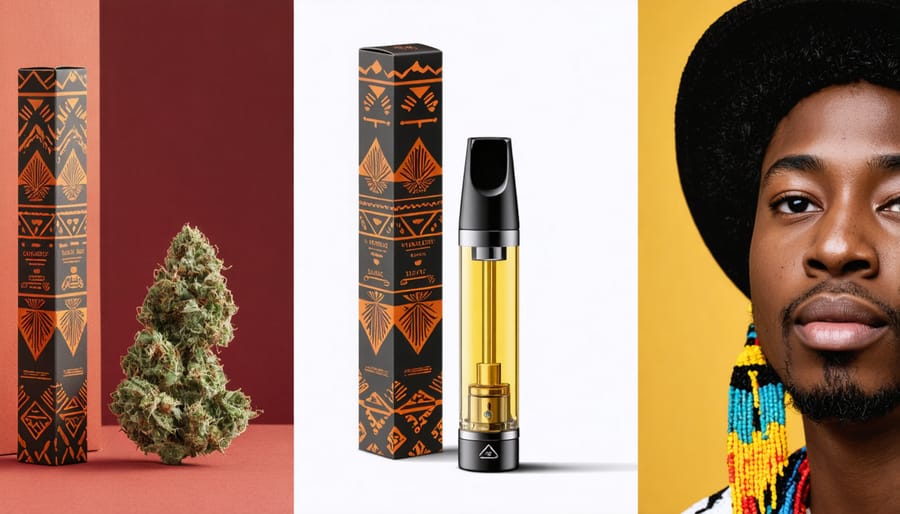
Canadian artists and designers have transformed these small vessels into works of contemporary Canadian design, infusing packaging with visual narratives that honor diverse cultural traditions. Indigenous designers, in particular, have brought profound meaning to this space, incorporating traditional motifs like the medicine wheel, sweetgrass braids, and Thunderbird imagery that connect cannabis to ancestral healing practices. These designs serve as both aesthetic choices and educational tools, reminding consumers of cannabis’s longstanding relationship with Indigenous peoples.
The colour palettes and typography choices reflect Canada’s multicultural makeup. You’ll find cartridges adorned with geometric patterns inspired by West African textiles, minimalist designs echoing Japanese aesthetics, and vibrant hues reminiscent of Caribbean celebrations. Toronto-based designer Maya Chen explains that her work aims to “make people from different backgrounds see themselves reflected in these products.”
French-Canadian influences appear through art nouveau-inspired flourishes and bilingual packaging that reads as poetry. Prairie-inspired landscapes grace some cartridges, while others feature urban street art from Vancouver’s diverse neighborhoods. This attention to visual storytelling elevates the consumer experience beyond mere consumption, creating moments of cultural connection and recognition.
These designs also navigate the delicate balance between celebration and responsibility, often incorporating subtle educational elements about dosage and mindful use, wrapped in aesthetically pleasing formats that respect both artistic expression and regulatory requirements.
Navigating the Legal and Social Landscape
Canada’s journey toward cannabis legalization in 2018 marked a pivotal moment that rippled through communities from coast to coast to coast. The Canadian cannabis industry has since evolved into a complex tapestry of regulations, innovations, and social conversations—with THCa vape products representing one of its most dynamic threads.
Navigating this landscape requires understanding both federal frameworks and provincial nuances. While Health Canada oversees product safety and manufacturing standards, each province writes its own story when it comes to access and consumption. In British Columbia, you might find cannabis lounges fostering community gathering spaces, while Ontario maintains stricter public consumption rules. Quebec has taken a more cautious approach, with additional age restrictions and unique packaging requirements that reflect the province’s distinct cultural identity.
These regulatory variations create a patchwork quilt that mirrors Canada’s diverse regional perspectives. Prairie communities approach consumption differently than coastal cities, and Indigenous communities exercise their sovereignty in determining how cannabis fits within their traditions and governance structures.
Legal clarity has opened doors for meaningful conversations about social etiquette and integration. Community centers, workplaces, and condominium boards across the country are developing policies that balance individual freedoms with collective comfort—a very Canadian negotiation. Many workplaces now have nuanced policies distinguishing between recreational use off-hours and impairment at work, moving beyond blanket prohibitions toward education and understanding.
Public consumption remains a particularly lively discussion. While some municipalities embrace designated consumption areas where people gather to share experiences and stories, others maintain stricter boundaries. This ongoing dialogue reflects deeper questions about public space, community standards, and how diverse perspectives can coexist respectfully.
For newcomers and long-time residents alike, understanding these evolving norms becomes part of participating in contemporary Canadian culture—another thread in the nation’s ever-expanding multicultural fabric.
Concerns and Conversations: Health, Environment, and Access
Within THCa vaping communities across Canada, conversations about health and safety flow as freely as the vapour itself. From Vancouver island circles to Toronto meetups, participants share experiences and questions about the relative safety of vaping versus traditional consumption methods. These dialogues reflect a broader cultural shift toward informed consumption, with many users seeking transparency about extraction processes, testing standards, and potential respiratory effects. Indigenous wellness practitioners and harm reduction advocates contribute valuable perspectives, blending traditional knowledge with contemporary research to help communities make informed choices.
The environmental footprint of vaping culture has sparked particularly thoughtful discussions among Canada’s eco-conscious consumers. Disposable cartridges and lithium batteries present a sustainability challenge that resonates deeply in a country where environmental stewardship runs through many cultural traditions. From Coast Salish teachings about respecting the earth to immigrant communities bringing zero-waste practices from their homelands, Canadians are innovating solutions—sharing refillable cartridge systems, organizing battery recycling drives at cannabis retailers, and advocating for producer responsibility programs. These grassroots initiatives demonstrate how environmental values shape consumption patterns across diverse communities.
Access remains a crucial conversation, particularly in rural and remote regions where legal dispensaries may be hours away, and in neighbourhoods where economic barriers limit participation in legal markets. Northern communities face unique challenges with shipping restrictions and limited retail presence, while newcomer populations navigate language barriers and unfamiliar regulatory frameworks. Community advocates work to bridge these gaps through multilingual education initiatives and discussions about equitable distribution, ensuring that legal cannabis culture—including emerging trends like THCa vaping—truly reflects Canada’s commitment to accessibility and inclusion for all residents, regardless of postal code or cultural background.
The story of THCa vape culture in Canada mirrors the nation’s own narrative—one of thoughtful evolution, diverse perspectives, and ongoing dialogue. From coast to coast to coast, this emerging phenomenon reflects how Canadians negotiate innovation while honouring tradition, how they balance personal wellness journeys with collective responsibility, and how commercial enterprise can coexist with cultural authenticity.
What makes this culture distinctly Canadian is its foundation in inclusive community values. Whether gathering in Toronto’s diverse neighbourhoods, Vancouver’s wellness-focused spaces, or Montreal’s bilingual lounges, participants bring their varied cultural backgrounds to shared experiences. Traditional Indigenous teachings about plant medicine sit alongside Ayurvedic wellness principles and contemporary harm reduction approaches, creating a uniquely Canadian tapestry of understanding.
Looking ahead, THCa vape culture will likely continue evolving within this multicultural framework. As second-generation Canadians blend their heritage traditions with contemporary wellness practices, and as newcomers contribute fresh perspectives to cannabis conversations, the culture will undoubtedly grow richer and more complex. The challenge—and opportunity—lies in maintaining this balance: fostering innovation while respecting tradition, encouraging individual exploration while nurturing community connection, and supporting commercial growth without losing sight of the cultural sensitivity that makes Canadian cannabis culture truly distinctive. This ongoing journey reflects Canada itself—constantly evolving, perpetually diverse, and endlessly fascinating.