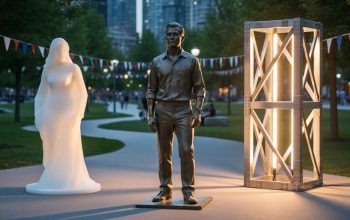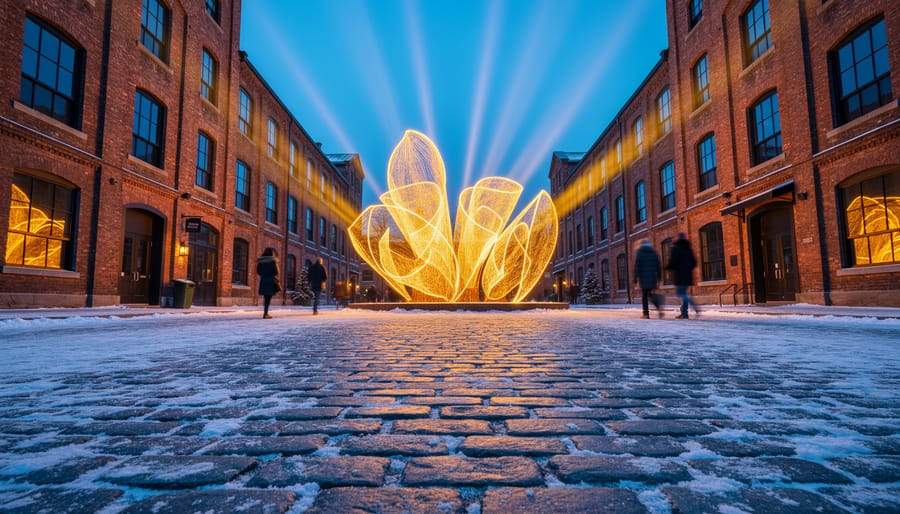
The Toronto Light Festival lights up the city’s winter nights, turning the coldest stretch of the Canadian calendar into something worth bundling up for. Anyone searching for a canada toronto festival that actually leans into winter will find it here, with long evenings and crisp air giving outdoor light installations the dark canvas they need.
The details vary depending on which edition you’re looking at, so check dates before you commit. Research for this refresh turned up a few different listings. One has the festival returning to the Distillery District from January 18 to March 3, with viewing Wednesday through Sunday at 6:30pm. Another lists a run from February 16 to March 27, 2026, with nightly hours of 6:00 PM to 11:00 PM, and places it at Trillium Park at Ontario Place. Those aren’t the same schedule or the same venue, which is exactly why confirming the current edition matters.
Timing is the festival’s whole logic. It sits after the holiday season winds down, when Torontonians and visitors alike want a cultural reason to embrace winter rather than simply endure it. Early darkness means maximum viewing time for the projected animations, interactive sculptures, and immersive light environments that define the experience.
A few practical habits help. Opening weekends tend to draw the biggest crowds, while weeknights give you room to photograph installations without dodging selfie sticks. A hard cold snap can thin the crowds and sharpen the visual drama, with light catching on ice and frosted air in ways a mild evening never will. The festival has grown since launching in 2016 into a showcase that draws artists from across Canada and beyond, each bringing perspectives that reflect Toronto’s multicultural character through the universal language of light.
When Does the Toronto Light Festival Take Place?
If you’re searching for Toronto Light Festival dates, the short answer is that it’s a winter event, and the schedule changes from one edition to the next. The festival has been listed as returning to The Distillery District from January 18 to March 3. A separate listing shows a run from February 16 to March 27, 2026, at Trillium Park at Ontario Place. The two don’t line up, so check which venue and which edition you’re looking at before you book anything.
Evening hours also vary by listing. One schedule gives Wednesday through Sunday starting at 6:30pm. Another lists nightly hours of 6:00 PM to 11:00 PM. Either way, this is a after-dark event. The installations only work once the sun is down, and in the middle of a Toronto winter that comes early.
Most visitors spend somewhere between 90 minutes and two hours walking the full route, though you can go at your own pace. Arriving at the start of the evening window gives you the quietest stretch. Later in the night the paths fill up, especially on weekends.
Dates and hours are the details most likely to shift, so treat the figures above as a starting point and confirm them on the official festival website before you head out. If you want a sense of what the Distillery District edition looks like, this piece on the Toronto Light Festival at the Distillery District is a good place to start.
Understanding the Festival Schedule & Timing Windows
Nightly Operating Hours
The festival’s light installations illuminate each evening as dusk falls, typically around 5:00 PM during the late January to early March period. The displays remain lit until approximately 10:00 PM on weeknights and 11:00 PM on Fridays and Saturdays, though these hours can shift slightly depending on the specific year and weather conditions.
Most visitors spend between 90 minutes and two hours exploring the illuminated installations throughout the Distillery District. This timeframe allows for a leisurely walk through the historic cobblestone streets, pausing at each light sculpture and interactive display. Families with young children often complete their visit in under 90 minutes, while photography enthusiasts and couples may linger for three hours or more, especially on quieter weeknights.
The installations look their most dramatic during the first hour after they’re switched on, when the contrast between fading daylight and artificial light creates depth and atmosphere. Arriving right at opening means catching this transition, though it also coincides with early-evening crowds on weekends. Later hours, particularly after 8:30 PM on weekdays, offer a more intimate viewing experience with fewer people navigating the pathways.
Best Times to Visit for Different Experiences
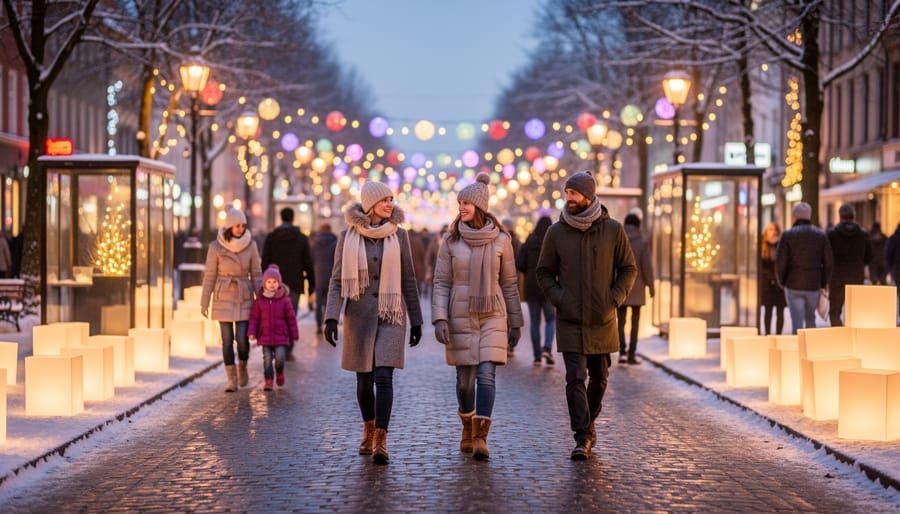
The festival offers distinct experiences depending on when you visit during the evening hours, so aligning your timing with your priorities can shape your experience.
Avoiding Crowds
Weekday evenings between opening and 7:30 PM tend to be quietest, especially Tuesday through Thursday. The first hour after gates open provides the most spacious viewing conditions for those who prefer a contemplative pace. Late February also sees lighter attendance than peak January weekends.
Photography Enthusiasts
The “blue hour” immediately after sunset delivers the most balanced ambient light for capturing installations with rich sky tones rather than flat black backgrounds. Midweek visits mean fewer people inadvertently walking into your frame. Arriving right at opening gives you that golden window before crowds build, and colder weeknight temperatures often produce clearer air for sharper shots.
Family-Friendly Visits
Early evening on weekends works best for families with young children, arriving around 6 PM allows kids to experience the spectacle before fatigue sets in, and you’ll typically exit by 8 PM. Fridays are busier than Saturdays or Sundays but offer slightly extended weekend energy without the heaviest crowds. Mid-February school break weeks see more families, which creates a livelier atmosphere some prefer.
Romantic Evenings
Later weeknight hours after 8:30 PM provide intimate viewing conditions with thinner crowds and a more contemplative mood. The coldest evenings paradoxically offer the best romantic experience, fewer visitors, crisper installations, and a shared warmth-seeking adventure.
Factors That Influence Festival Timing & Dates
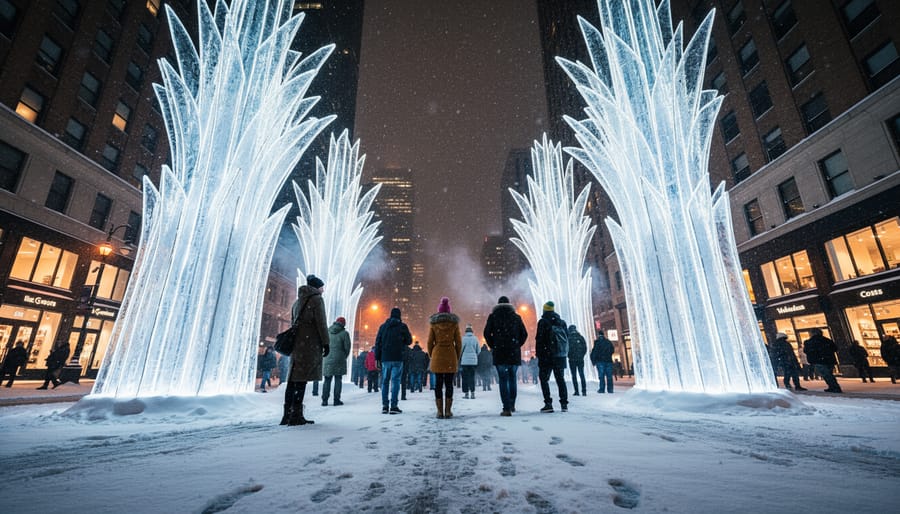
The Toronto Light Festival’s timing emerges from a careful choreography of practical logistics, weather patterns, and cultural strategy rather than arbitrary dates. Organizers must balance multiple competing factors to create the optimal window for both artistic presentation and visitor experience.
Winter weather patterns play the defining role in scheduling. The festival deliberately targets late January through early March because this period offers the longest darkness hours for viewing illuminated installations, with sunset occurring between 5:00 and 6:00 p.m. throughout the run. However, organizers must account for Toronto’s unpredictable winter conditions, where temperature swings from minus fifteen to above freezing can occur within days. Extreme cold snaps below minus twenty Celsius threaten both equipment functionality and visitor safety, occasionally forcing adjusted hours. Meanwhile, heavy snowfall can enhance the magical atmosphere but also complicates accessibility and installation maintenance. The festival avoids December entirely despite its appeal, as the holiday season already saturates Toronto’s event calendar and the Distillery District itself hosts separate Christmas market programming.
Several interconnected factors shape the final schedule:
- Winter darkness duration providing 12-14 hours of nighttime from 5 p.m. onwards for optimal light display visibility
- Distillery District partnerships requiring coordination with the historic site’s commercial tenants and year-round programming
- Cultural event coordination to avoid conflicts with major Toronto festivals like Winterlicious and Nuit Blanche
- Installation preparation time needed for artists to construct and test complex light works in harsh conditions
- Municipal permits and public safety approvals that require fixed application deadlines months in advance
The venue itself influences timing decisions. The Distillery District’s cobblestone streets and Victorian-era architecture require special considerations for electrical installations and foot traffic management. Organizers must work around the district’s restaurant and retail operations, which depend on festival crowds but also need predictable business planning windows. This partnership dynamic means dates get finalized eight to ten months ahead, limiting flexibility to respond to weather forecasts or competing events.
Canadian winter festivals face unique vulnerability to weather disruptions that festivals in milder climates rarely encounter. While the Toronto Light Festival has maintained its schedule reliably, other major Canadian outdoor events have experienced storm cancellation impacts that organizers study when planning contingencies. This awareness shapes conservative scheduling that builds in weather buffers and avoids the most volatile winter weeks in late January.
Planning Your Visit: What to Know Before You Go

How to Find Current Year Dates
The festival’s dates shift slightly each year, so checking official sources ensures you have accurate information for your visit. Start with the Toronto Light Festival’s official website, which typically posts the upcoming season’s dates by late fall. Sign up for their email newsletter to receive announcements as soon as dates are confirmed, usually several months before the festival opens.
Follow the festival’s social media accounts on Instagram, Facebook, and Twitter for real-time updates about schedule changes, weather-related adjustments, or extended hours. The Distillery District’s website also publishes festival information, including any modifications to operating times.
For last-minute planning, call the Distillery District visitor information line or check tourism websites like Tourism Toronto and Destination Ontario, which maintain updated event calendars. These resources often list not just dates but also special programming nights or themed evenings.
Set a reminder for November each year to check for the next season’s announcement. This timing gives you the best chance to secure accommodations at reasonable rates and plan your trip before the festival becomes widely publicized. Many locals bookmark the official site and check back monthly starting in autumn to catch early bird ticket offers.
Seasonal Considerations for Your Visit
Toronto winters during the festival period can be harsh, with temperatures typically ranging from -10°C to -5°C (14°F to 23°F), though cold snaps can push them lower. Wind chill makes the air feel significantly colder, especially in the open spaces of the Distillery District where the festival takes place.
Dress in insulated winter boots with good traction, as pathways can be icy. A warm parka, thermal underlayers, and waterproof outer shell protect against both cold and potential snow. Don’t forget a hat that covers your ears, insulated gloves, and a scarf or neck warmer. The outdoor viewing means constant exposure to the elements, unlike ducking in and out of shops.
Pack lip balm and moisturizer since dry winter air can be uncomfortable. If you wear glasses, keep a cloth handy to wipe condensation when moving between heated indoor spaces and outdoor installations. While the festival’s beauty makes the cold worthwhile, under-dressing can cut your visit short and diminish the experience. Toronto winters demand respect, but proper preparation lets you focus on the spectacular light displays rather than discomfort.
The Cultural Context: Why Winter Timing Matters
The Toronto Light Festival occupies a deliberately carved-out space in Canada’s cultural calendar, addressing what many northern cities struggle with: keeping communities engaged during the season when darkness arrives early and temperatures plunge. In Toronto, where sunset occurs around 5 PM in late January and windchill regularly pushes below minus 20 Celsius, creating compelling reasons for people to venture outdoors becomes an act of cultural defiance against winter’s isolating tendencies.
This timing connects to centuries-old traditions across cultures that have used light as a symbol of hope, renewal, and community gathering during the darkest part of the year. From Diwali to Hanukkah to Lunar New Year celebrations, light festivals mark turning points and bring people together when natural darkness dominates. The Toronto Light Festival builds on this universal human impulse while reflecting Canada’s multicultural identity showcasing artists from various backgrounds whose work draws on different cultural relationships with light, colour, and public space.
The festival also serves an economic and social function for the Distillery District and surrounding neighbourhoods. Winter typically represents a slower period for tourism and street-level activity. By programming a major cultural draw during these months, the festival demonstrates how arts initiatives contribute to year-round urban vitality, a principle that aligns with Toronto’s reputation for multicultural success through inclusive public programming.
The educational dimension matters too. Many installations incorporate themes that resonate with multicultural art education introducing visitors to contemporary art practices while making the experience accessible to families and those who might not typically visit galleries during colder months.
Other Light Festivals & Events in the Toronto Calendar
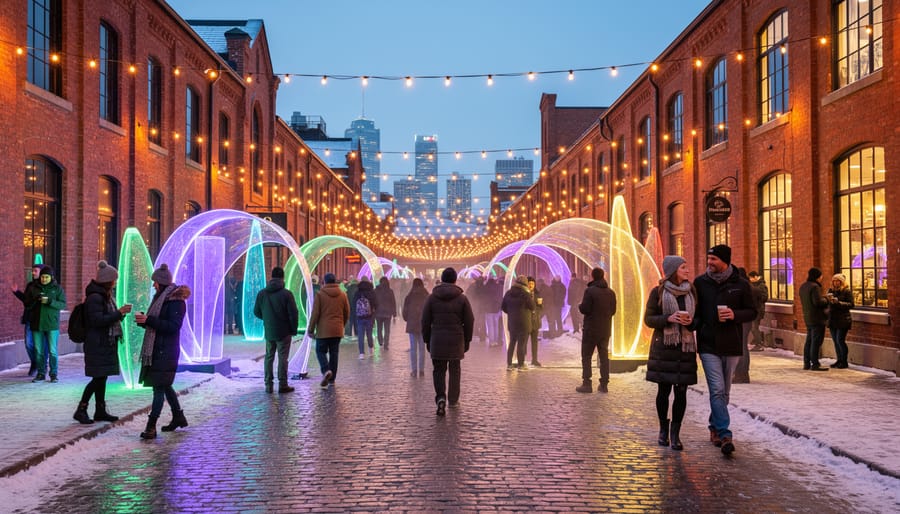
While the Toronto Light Festival claims winter as its signature season, the city’s calendar pulses with light-based celebrations throughout the year. Understanding these complementary events reveals Toronto’s commitment to illumination as a form of public art and helps visitors plan multi-season cultural experiences.
- Nuit Blanche
- Held annually in late September or early October, this dusk-to-dawn contemporary art event transforms the entire city into a gallery, featuring large-scale light installations, projections, and interactive artworks across multiple zones. Runs overnight from sunset to sunrise.
- Cavalcade of Lights
- Toronto’s official Christmas tree lighting ceremony takes place in late November at Nathan Phillips Square, marking the start of the holiday season with a spectacular fireworks display, outdoor skating, and illuminated decorations that remain through winter.
- Nathan Phillips Square Light Installations
- Year-round rotating light art projects appear at this iconic downtown space, often coinciding with cultural festivals or civic celebrations. Check the City of Toronto’s public art calendar for current installations.
- Toronto Caribbean Carnival (Caribana)
- While primarily a summer celebration in late July and early August, the festival’s final parade includes elaborate illuminated costumes and floats that showcase how Caribbean communities use light as part of cultural expression.
These events demonstrate how Toronto’s diverse communities use light to foster creativity and celebrate heritage year-round. The approach mirrors how Canadian authors and artists across disciplines draw on multicultural traditions to shape contemporary Canadian storytelling. Each light festival occupies its own seasonal niche, making the Toronto Light Festival’s mid-winter timing particularly valuable for visitors seeking illuminated experiences during the city’s coldest, darkest months when outdoor cultural programming typically diminishes.
After the Festival: Extending Your Winter Cultural Experience
The Toronto Light Festival’s glow may fade when the installations come down, but your connection to Toronto’s vibrant arts scene doesn’t have to end with the last illuminated sculpture. The Distillery District remains one of the city’s most compelling cultural destinations throughout the year, transforming with the seasons while maintaining its historic charm and creative energy.
Once the light installations are packed away, consider returning to the Distillery during warmer months when the cobblestone streets buzz with outdoor art markets, live music performances, and patio dining. The neighbourhood hosts rotating gallery exhibitions, independent boutiques showcasing Canadian designers, and craft breweries that offer a completely different atmosphere than the winter wonderland you experienced. Many of the same venues and organizations involved in the Light Festival operate year-round programming that celebrates Canadian creativity in different forms.
To stay engaged with Toronto’s winter cultural offerings beyond this single festival, explore these opportunities:
- Subscribe to the Distillery District’s newsletter for year-round event announcements and special programming
- Follow participating artists and light designers on social media to see their other installations across Canada
- Mark your calendar for Toronto’s other winter festivals like the Winterlicious dining event or the Toronto Christmas Market
- Join online communities focused on Toronto arts and culture to discover similar experiences throughout the city
- Plan a winter road trip to explore light festivals in Montreal, Ottawa, or Vancouver during their respective seasons
Consider documenting your Light Festival experience through photos or journaling, then comparing notes when you return next year. The festival evolves annually with new artists and installations, so each visit offers fresh perspectives. Some visitors make attending the Toronto Light Festival an annual tradition, building it into their winter routine as an antidote to seasonal darkness.
Canada’s winter cultural calendar extends far beyond Toronto. Quebec City’s Carnaval, Vancouver’s Bright Nights at Stanley Park, and Ottawa’s Winterlude all offer distinct takes on celebrating the cold months through light, art, and community gathering. Each brings regional flavour to the shared Canadian experience of transforming winter from something to endure into something to celebrate.
What Changes the Timing
The Toronto Light Festival’s dates shift year to year based on several interconnected factors that organizers must balance carefully.
Weather patterns play the primary role. Severe cold snaps below -20°C can force shortened hours or temporary closures to protect both visitors and the delicate electronic installations. Conversely, unusually mild winters might prompt earlier starts when darker evenings arrive sooner. Snow and ice accumulation affects setup timelines, crews need stable conditions to install the large-scale pieces safely throughout the Distillery District.
Venue availability constraints matter significantly. The historic Distillery District hosts multiple events year-round, so the festival must coordinate with other bookings, private functions, and maintenance windows. Competition for prime winter dates with other Toronto cultural events can push schedules forward or back by weeks.
Partnerships and sponsorship cycles influence timing too. Corporate sponsors often operate on fiscal calendars that determine when marketing budgets and promotional windows open, affecting announcement dates and run periods.
Daylight hours create natural boundaries. The festival needs sufficient darkness for installations to shine properly, which means it typically runs when sunset occurs before 6 PM, roughly late January through early March in Toronto’s latitude. This astronomical reality anchors the possible timing window regardless of other variables.
Frequently Asked Questions
Do I need to buy tickets in advance for the Toronto Light Festival?
Yes, advance tickets are recommended as the festival typically sells out popular time slots, especially on weekends. Purchase options usually open several weeks before the festival begins.
Can I visit if I’m coming to Toronto from outside Canada?
Absolutely. The festival welcomes international visitors and runs during a period when Toronto is well-served by hotels and transit, though you’ll want to pack proper winter gear for outdoor viewing.
Is the festival still on if it snows?
The festival operates in all weather conditions unless extreme circumstances force closure. Light snowfall often enhances the visual experience, creating a magical atmosphere around the illuminated installations.
How accessible is the festival for visitors with mobility concerns?
The Distillery District’s cobblestone paths can be challenging in winter, but most installations are viewable from accessible routes. Contact organizers directly for specific accommodation details when planning your visit.
These questions reflect what first-time visitors genuinely need to know when planning a trip. The festival’s outdoor winter setting raises practical concerns about tickets, weather resilience, and physical accessibility that don’t always surface in the main planning sections. International travelers particularly benefit from knowing they’re welcome and that the experience holds up through typical Canadian snowfall, which can actually heighten the visual drama of light installations against white landscapes.
The Toronto Light Festival transforms winter’s darkest months into something extraordinary. Whether you visit during opening week or catch the final weekend, you’ll find yourself part of a tradition that celebrates creativity, community, and Canada’s embrace of winter rather than retreat from it.
Mark those late January through early March dates in your calendar now. Check the official schedule as winter approaches, dress warmly, and give yourself at least two hours to wander through the illuminated installations. The festival proves that cold weather creates its own magic when paired with artistic vision and shared experience.
Toronto winters shine brightest when we gather to celebrate light together.
How the list was chosen
This isn’t a ranked list of every winter light display in the country. It’s a short guide built around one question: what’s actually worth planning a night around when you’re searching for a canada toronto festival that glows after dark? We kept the criteria simple and tied them to things you can check before you buy a ticket.
- Location you can confirm. We only counted venues with a clear, stated site. The Toronto Light Festival is in the Distillery District, and another event on our radar is at Trillium Park at Ontario Place.
- Published dates. An event needs a clear run of dates to make the cut. One edition lists January 18 to March 3, while another runs from February 16 to March 27, 2026.
- Evening hours that suit a night out. We favoured festivals open after dark, such as 6:00 PM to 11:00 PM nightly, or Wednesday through Sunday starting at 6:30pm.
- Practical visitor fit. Walkability, weather tolerance, and how long a visit takes all mattered, since a light show only works if you can enjoy it comfortably.
Schedules shift from year to year, so treat the dates above as a starting point and confirm them before you go. We left out anything we couldn’t verify.
List items
Planning a night out at one of Toronto’s best-known winter events? Here’s a quick rundown of what to know before you go, drawn from the verified details we have on the Toronto Light Festival and other light-based shows in the city.
- Distillery District home base: The Toronto Light Festival is in the Distillery District, where the glowing installations sit against the historic brick buildings. Come back after dark for the full effect.
- Dates for the Distillery run: The festival is coming back to The Distillery District from January 18 to March 3. Check the official listing before you commit to a night, since schedules can shift.
- Weeknight and weekend timing: One listed schedule runs Wednesday through Sunday at 6:30pm. That’s a good window if you want to arrive before the busiest crowds settle in.
- A second light event at Ontario Place: Trillium Park at Ontario Place is also listed as a venue, with dates from February 16 to March 27, 2026. Don’t mix it up with the Distillery District show when you’re booking.
- Late-evening hours: One listing shows 6:00 PM to 11:00 PM nightly, so you have room for dinner first and a slow walk afterward.
Two venues, two sets of dates. Confirm which one you’re buying tickets for, and you’ll avoid the most common mix-up among Toronto festivals in winter.
Final takeaway
If you take one thing from this guide, make it this: the Toronto Light Festival rewards planning more than almost any other canada toronto festival on the winter calendar. Buy your tickets ahead, pick a weekday if you can, and don’t count on walk-up availability when the weekend crowds roll in.
The Distillery District setting is a big part of the appeal. Brick lanes and old industrial buildings make a striking backdrop once the installations switch on after dark. The festival returns to the district from January 18 to March 3, and evening sessions run Wednesday through Sunday, with a 6:30pm start.
Then there’s the cold. Dress for it properly, with warm layers, real boots, and gloves you can still use your phone in. Give yourself at least two hours so you’re not rushing the best displays for the sake of a schedule.
Pick your night, book early, and bundle up. That’s the whole recipe for a good evening out.